An order scanner is only as good as what it knows. And what it knows depends entirely on the quality of the knowledge base it relies on. This dimension, often overlooked when comparing tools, is what makes all the difference between a system that handles simple cases and one that covers every real-world situation.
Knowledge as the prerequisite for automation
Automating order processing means answering a series of questions in seconds: which product is being requested, in what quantity, at what agreed price, under what delivery conditions? For an experienced human operator, these questions are answered through a combination of memory, business instincts, and access to the right documents. For an automated tool, that same capability rests entirely on its knowledge base.
Without it, the order scanner operates blind. It may recognise an exact reference in a catalogue, but it has no way of knowing that this particular client has a custom mapping table, that their contract includes tiered pricing, or that this product is sold under three different names depending on the market. That information exists somewhere in the business. The challenge is making it accessible exactly when it is needed.
Knowledge base and order scanner: what it really needs to contain
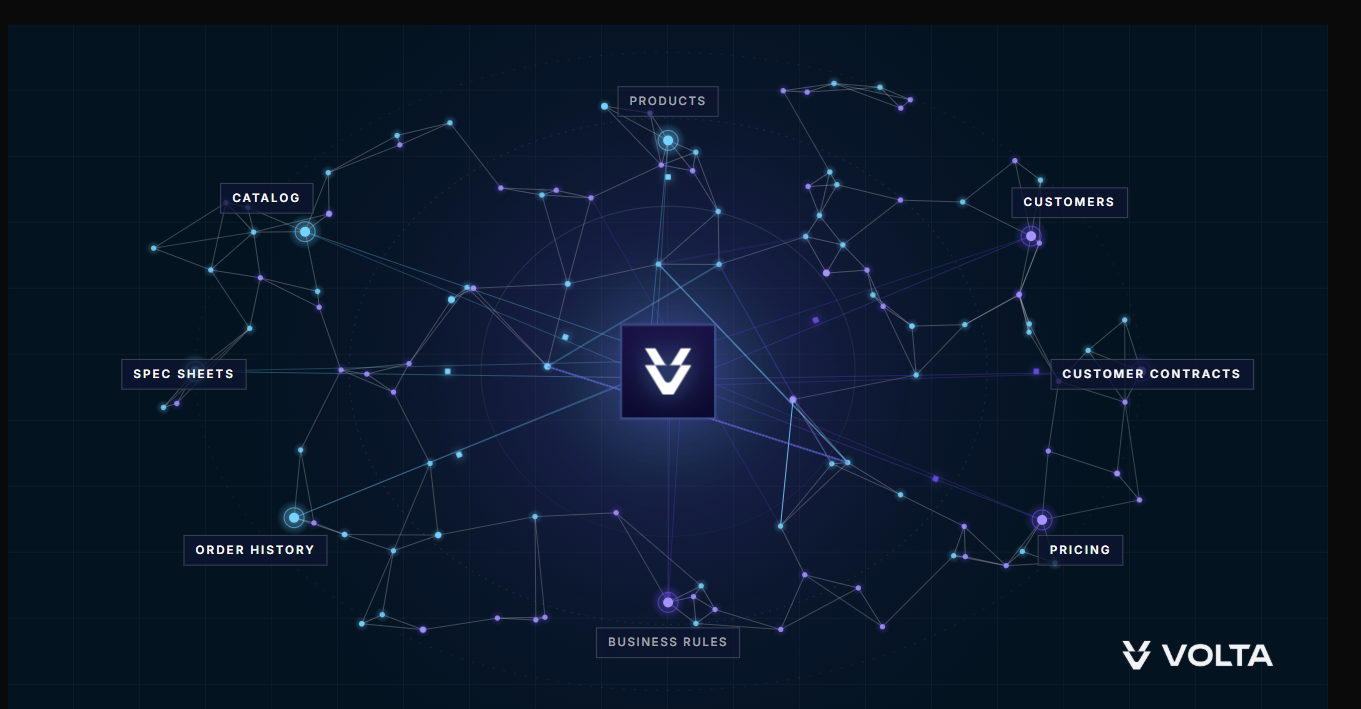
An effective knowledge base for an order scanner is not simply a product reference directory. It must aggregate several complementary layers of knowledge:
- Client contracts: negotiated pricing conditions, applicable discounts, agreed sales units, specific delivery terms and lead times. An order cannot be processed correctly if the tool is unaware of what has been contractually defined.
- Reference mapping tables: every client who orders using their own internal codes needs a reliable conversion table, continuously enriched from previous orders and operator validations.
- Detailed product sheets: alternative labels, synonyms, technical designations, EAN codes, packaging units, cross-references. A product can be requested in dozens of different ways depending on the client, sector, or country.
- Order history: knowing what a client has ordered in the past, in what quantities and with which codes, resolves a large proportion of ambiguities on incoming orders.
The cold start problem
One of the classic challenges with automated processing tools is the cold start: at deployment, the tool knows nothing. It has to learn by processing orders, which means the first weeks are degraded, with high error rates and significant human intervention.
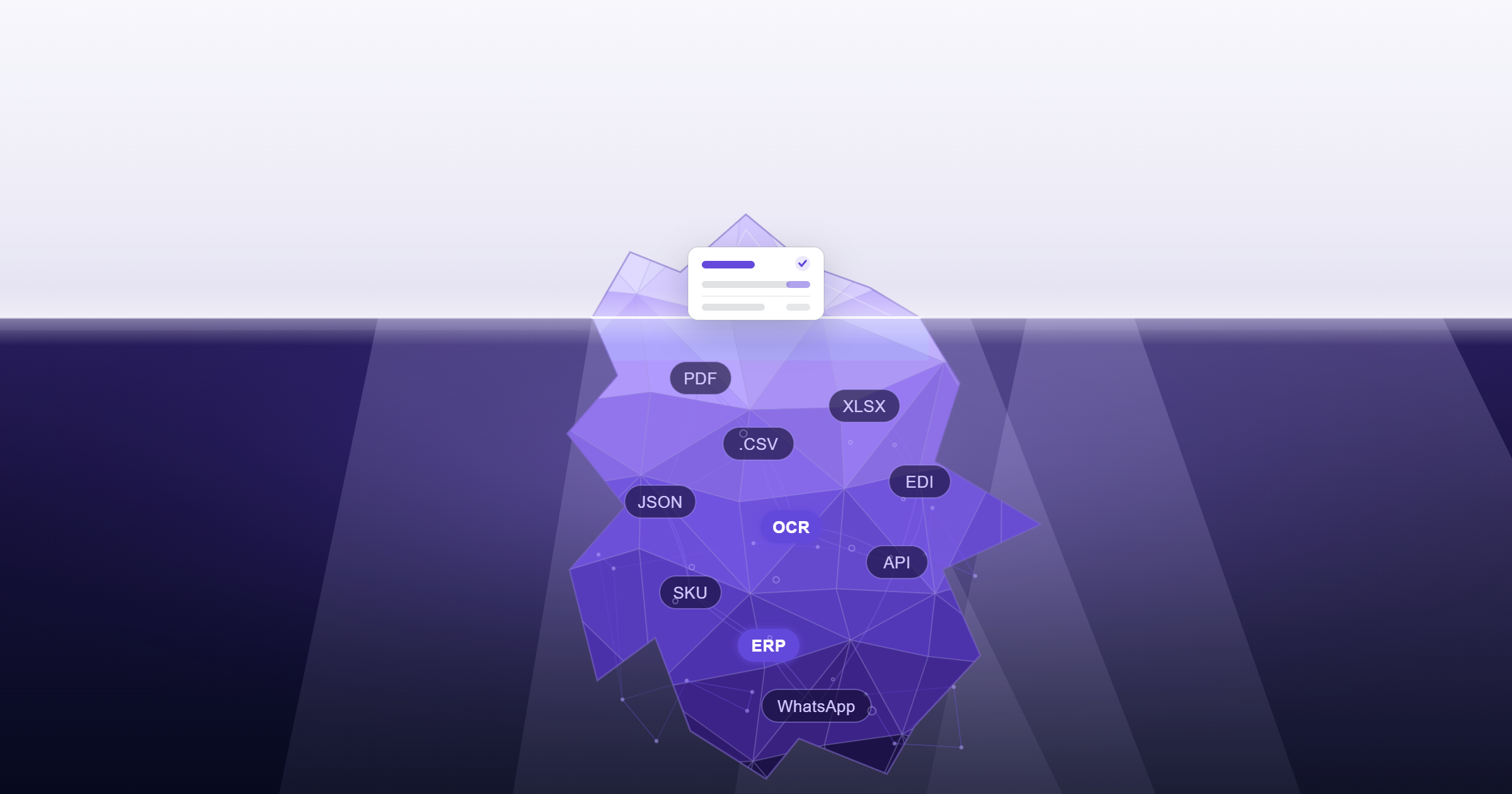
This problem disappears when the knowledge base can be populated from day one with the company's existing data: contracts from the CRM or ERP, mapping tables from Excel files or internal databases, product sheets from the PIM. A well-designed knowledge base can ingest these sources on the very first day, without waiting for production learning to fill the gaps.
A knowledge base that grows continuously
Every order processed, every operator validation, every correction made is an opportunity to enrich the available knowledge. A client's internal reference resolved manually once should never require manual intervention again. An ambiguous label correctly interpreted once becomes a consolidated rule for future occurrences.
This continuous capitalisation transforms the knowledge base into a strategic asset that gains value over time. The more orders the tool processes, the more precise it becomes, the higher the automation rate climbs and the less time teams spend on low-value tasks.
Volta's knowledge base: an advanced approach
Volta integrates a knowledge base structured to absorb the company's existing data from day one of deployment: contracts, product catalogues, mapping tables, order history. The tool does not arrive blank. It arrives informed.
This base is entirely optional. Each supplier remains free to decide whether to populate it upfront or let Volta build its knowledge progressively through processed orders. Both approaches work. The difference is speed: a knowledge base loaded at launch compresses into a few days what would otherwise take months of production learning.
The architecture also allows external sources to be integrated as needs evolve, without service interruption and without global reconfiguration. The result is a coverage rate that steadily moves toward completeness, not a tool that handles common cases well, but one that covers every situation, including the most complex, the rarest, and the most client-specific.
From transactional tool to operational intelligence
An order scanner without a solid knowledge base is a transactional tool: it handles the simple cases and sends the rest back to humans. A scanner backed by a rich, living knowledge base becomes a genuine operational intelligence system: it understands context, mobilises relevant knowledge, proposes reasoned interpretations, and learns from every interaction.
This difference in nature, more than any feature comparison, determines the real long-term value of an automated order processing tool.
Ready to give your order scanner a head start from day one?
Discover how Volta integrates your existing knowledge base to automate your orders with precision from day one.